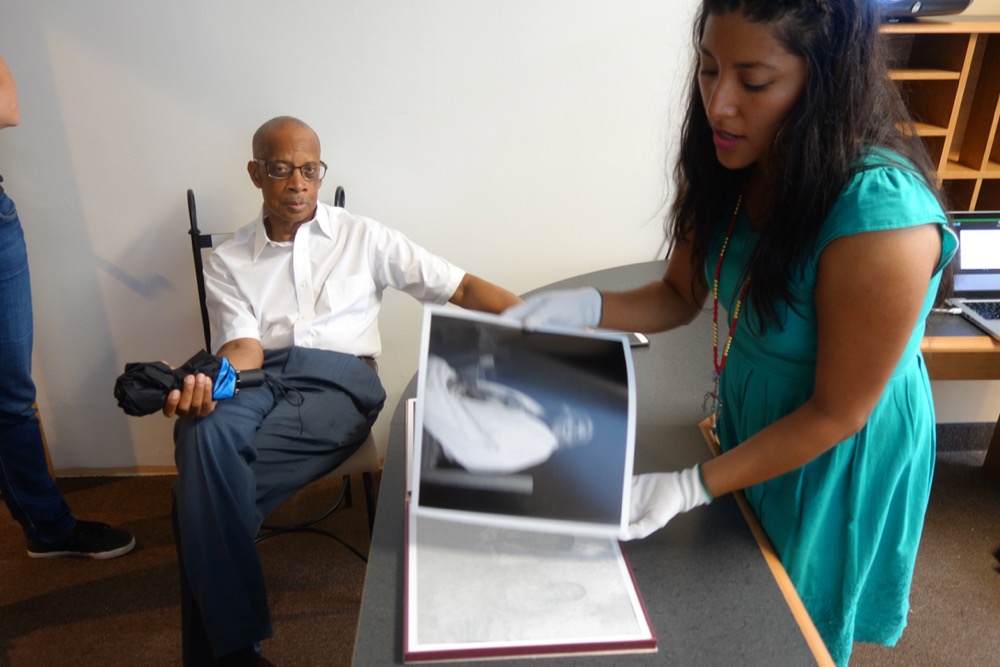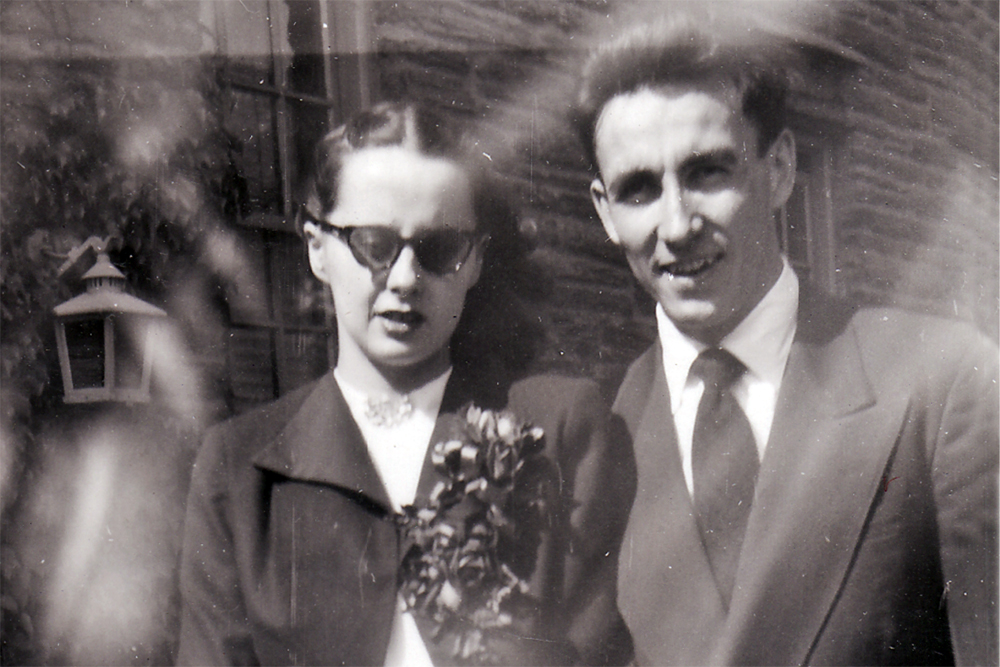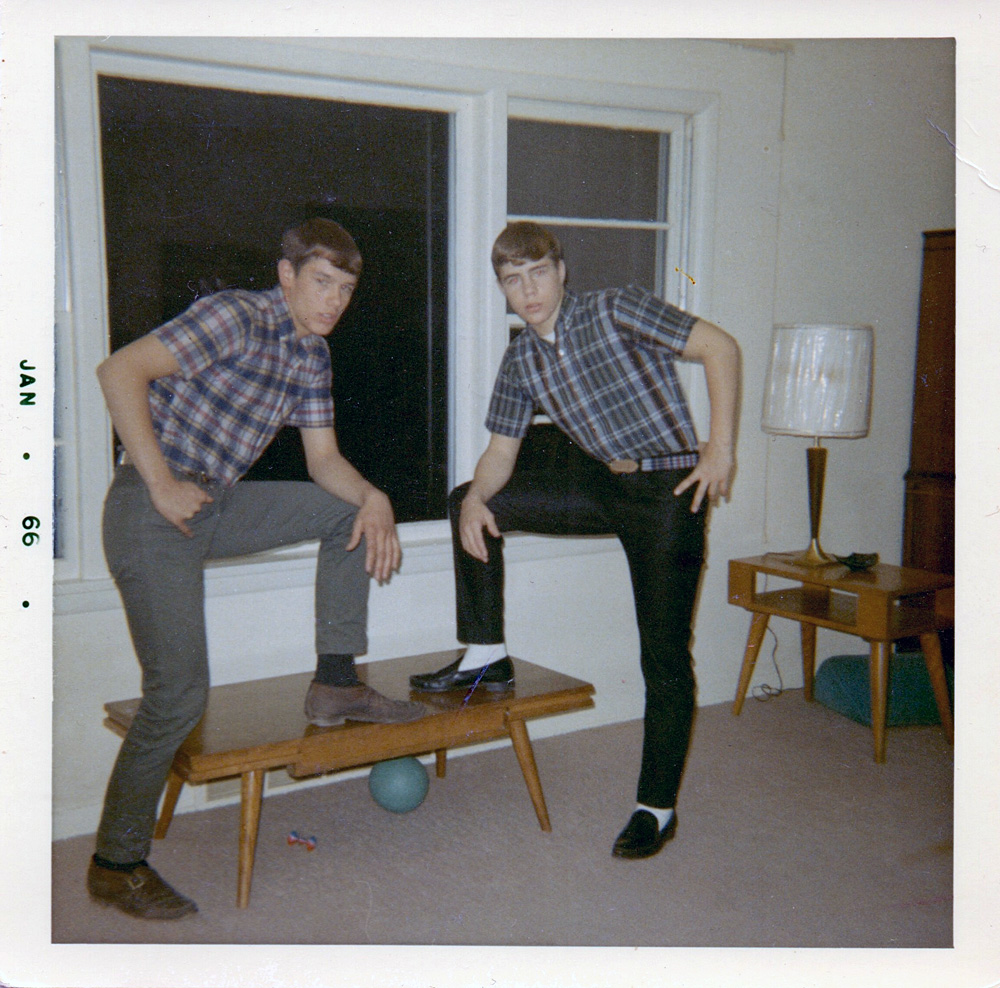
Our friend, John, brought three photos over for us to scan. He and another kid were pictured in each and he was pretty sure the other guy was Rex Daniels, a classmate of ours who was killed by friendly fire in Viet Nam. The other guy looked like Bill Hill to me and I confirmed it by going to the scans of our yearbook that another classmate had sent me so that I could make the name tags for an upcoming reunion.
Spellcheck didn’t like the way I spelled madres so I looked it up and found Madras fabric was generally regarded as belonging to the peasant class in its native India. In the 1930s madras clothing became a status symbol in the US because only American tourists who could afford Caribbean vacations had access to it.
Madres shirts became wildly popular when we were in high school. Madison Avenue advertising giant David Ogilvy coined the phrase “guaranteed to bleed” and used this as a selling point rather than a defect. A 1966 catalog advertisement stated: “Authentic Indian Madras is completely handwoven from yarns dyed with native vegetable colorings. Home-spun by native weavers, no two plaids are exactly the same. When washed with mild soap in warm water, they are guaranteed to bleed and blend together into distinctively muted and subdued colorings.”
I see those really slim jeans on kids now and I remember boiling stretch cotton/nylon jeans in water on the stove when my mom wasn’t home so they would get as tight as possible. Add British Walkers and you had the complete package. But John went one step beyond with his madres belt.
4 Comments